Reviews
Letter Grid Word Builder offers a satisfying mix of word formation and strategic tile clearing. The gradual difficulty curve ensures beginners feel welcome while experienced players stay engaged. Grid sizes and objectives change frequently, so no two levels play exactly the same. The browser-based performance is smooth, and the full-screen mode helps maintain focus. It is an excellent choice for anyone who enjoys language puzzles or logic challenges.
About this game
Core Gameplay Loop
Players see a grid filled with letter tiles. The objective is to select adjacent letters in sequence to form valid words. Once a word is submitted, those tiles vanish from the board, and points are awarded based on the word's length and complexity. New tiles may appear, or the remaining letters shift, keeping each round fresh. The core action is simple to understand but offers depth as players learn to spot longer words and plan several moves ahead.
Level Objectives and Variety
Each stage introduces a specific target. Some levels require reaching a minimum score within a set number of moves. Others demand clearing every tile from the board. This variety prevents the gameplay from feeling repetitive. Early stages use smaller grids and common letters, while later levels present larger boards with less frequent vowels, forcing players to think creatively. The mix of goals ensures that both word enthusiasts and logic puzzle fans find something to enjoy.
Controls and Presentation
The game is designed for desktop use. Players click tiles with a mouse to form words, and a keyboard can be used for faster input if supported. A full-screen mode is available to eliminate on-screen clutter. The interface is clean, with clear feedback when a word is accepted or rejected. Visual cues highlight selected tiles, making it easy to track your sequence. The overall design focuses on clarity and smooth performance in a web browser.
Progression and Difficulty Curve
The difficulty increases gradually. Beginners start with small grids and common letter combinations, allowing them to build confidence. As players advance, grids grow larger, letters become more challenging, and objectives tighten. This steady ramp means that new mechanics or constraints are introduced at a comfortable pace. Players who enjoy word games will find plenty of room to improve their vocabulary and pattern recognition skills over time.
Compatibility
• OS: Windows 10+, macOS 11+, iOS 14+, Android 10+
• Browsers: Chrome 100+, Safari 15+, Edge 100+, Firefox 100+
• Not compatible with Internet Explorer
Tested on real devices ✅ works as expected
 BrowserQuest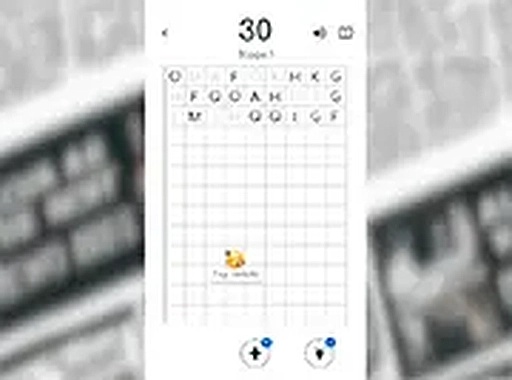








Comments
0 comments