Core Matching Loop
At its heart, this puzzle revolves around placing numbered tiles on a grid. The goal is to get four tiles with the same number to line up horizontally, vertically, or diagonally. When that happens, they combine into one tile with the next number in sequence. This simple rule creates a satisfying chain reaction of merges, pushing players to think several moves ahead.
Strategic Placement Decisions
Each turn, you choose from a small set of available numbered tiles and place one on an empty cell. The challenge is that tiles cannot be moved once placed. This forces careful consideration of where each number goes. Placing a low number in a corner might limit future merges, while keeping the center open offers more flexibility. Every decision impacts how long the game lasts.
Progressive Difficulty
As the grid fills with tiles, finding space for new numbers becomes harder. Early rounds feel spacious, but later stages require precise planning. The game ends when no empty cells remain and no further matches can be made. This gradual tightening of options keeps each round tense and rewarding. Players naturally improve their pattern recognition and spatial reasoning with practice.
Visual Design and Accessibility
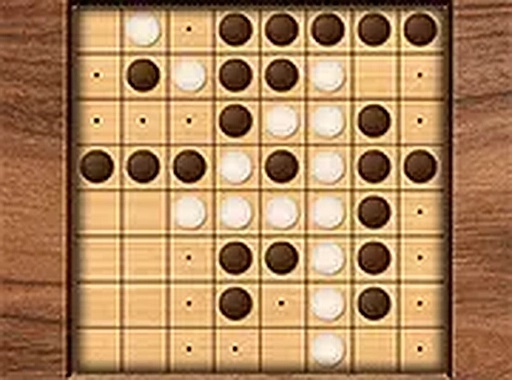
The interface is clean and minimal, with clearly numbered tiles on a neutral grid. Colors are used sparingly to distinguish tile values without being distracting. Controls are simple taps or clicks, making the game easy to play on both desktop computers and mobile devices. The family-friendly visuals ensure it is suitable for players of any age.
Replay Value
Because tile placement is randomized at the start of each round, no two games play out the same way. This randomness, combined with the strategic depth, encourages repeated play. Short rounds make it ideal for quick breaks, while the pursuit of higher scores keeps players coming back for longer sessions.
Compatibility
• OS: Windows 10+, macOS 11+, iOS 14+, Android 10+
• Browsers: Chrome 100+, Safari 15+, Edge 100+, Firefox 100+
• Not compatible with Internet Explorer
Tested on real devices ✅ works as expected












Comments
0 comments